
Where Horns Play Their Best™
Our Services
Ultrasonic Cleaning Service
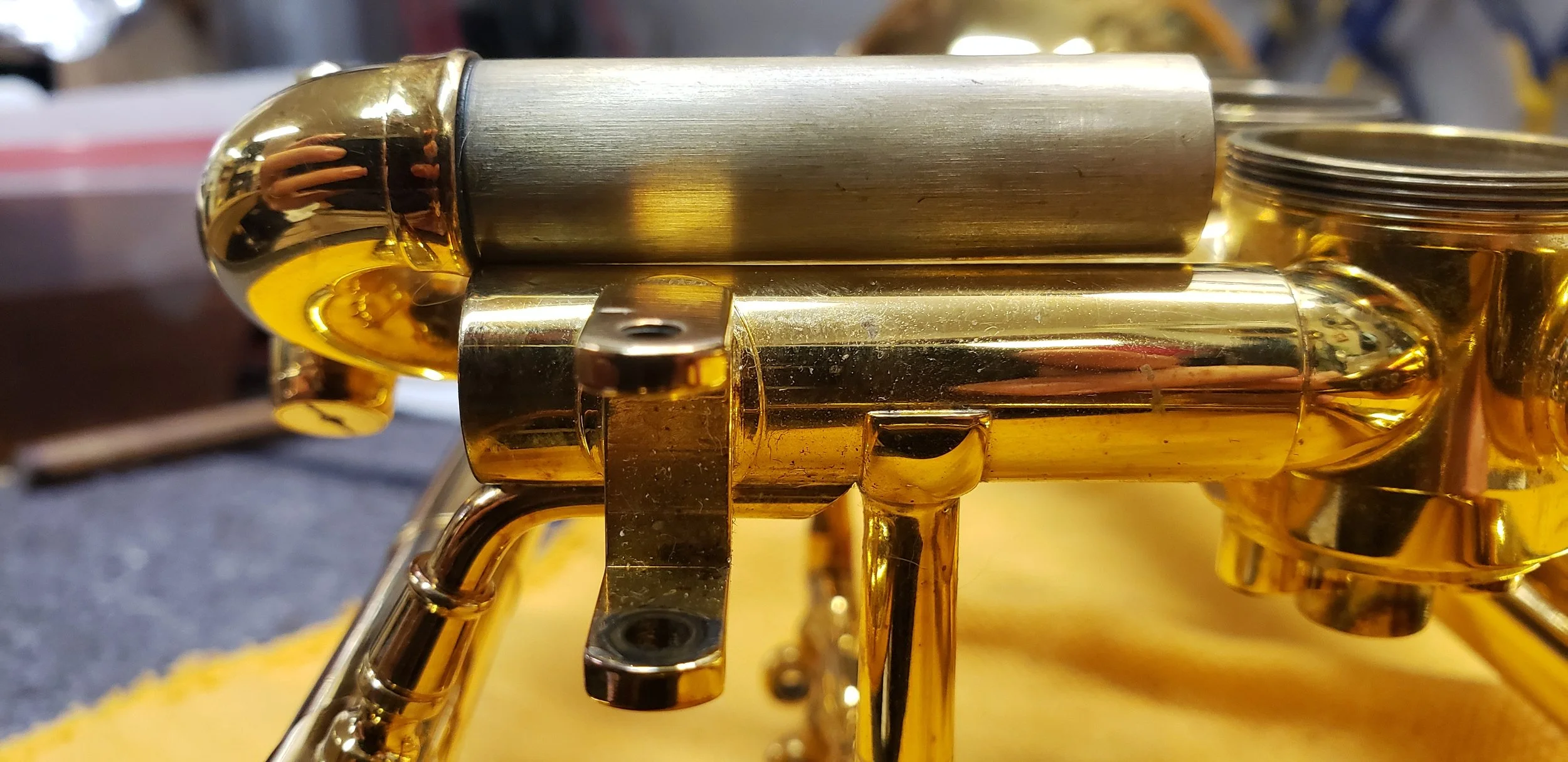
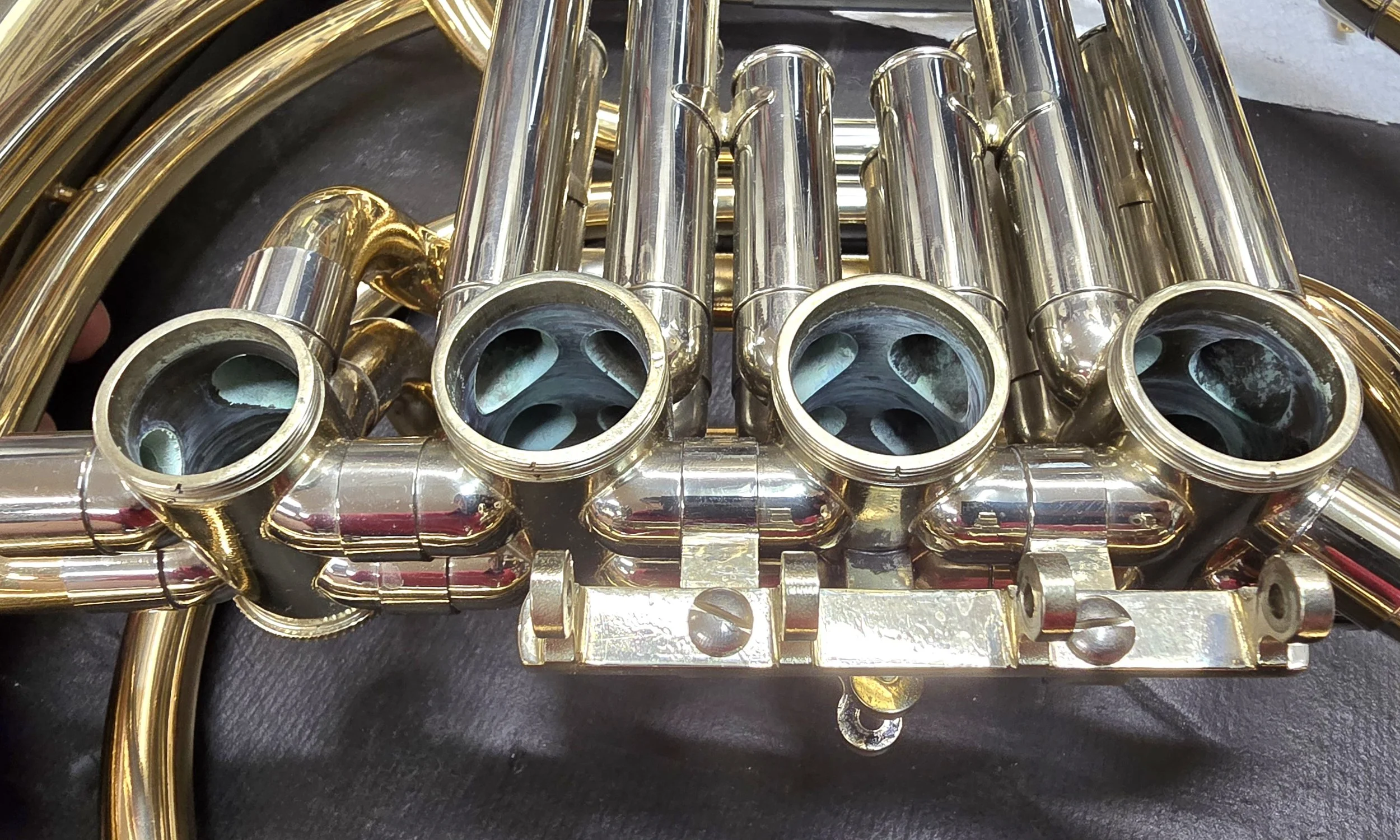
An ultrasonic cleaning at Reddick Hornworks is far more than a simple bath — it is a complete top-to-bottom cleaning of your instrument from the inside out. Here is what is included in every cleaning:
Full Disassembly & Degreasing The instrument is completely disassembled and degreased before any cleaning begins, ensuring that old lubricants and buildup don't interfere with the cleaning process.
Acid Treatment Rotors and pistons are carefully acid dipped for only as long as necessary to remove internal corrosion and deposits without damaging the metal. The body and slides receive a mild acid solution treatment to break down oxidation and buildup throughout the tubing.
Ultrasonic Cleaning Every component is cleaned in our professional ultrasonic machine. The power of the machine is carefully adjusted based on the condition of your instrument — horns with thin spots or delicate areas are cleaned at a reduced power setting to protect the metal from the ultrasonic action.
Rinse, Dry & Reassembly The instrument is thoroughly rinsed in clean water, completely dried, and reassembled using the appropriate weight oil and slide lubricant for your specific instrument.
Hardware Replacement New strings, felts, bumpers, and valve guides are installed as needed to bring the action back to proper working condition.
Alignment & Adjustment Rotor and piston alignment is carefully adjusted to ensure proper valve function and response.
Play Test & Leak Check Every instrument is pressure tested for leaks and play tested before it leaves the shop. In most cases, a thorough cleaning resolves sticking valve problems — unless damage to the valve itself has occurred.
Dent Removal Reachable dents are removed and included in the cost of the cleaning at no additional charge. Major dents or dent work beyond what is accessible during the cleaning process may incur an additional fee — this will always be discussed with you before any extra work is performed.
I recommend this service once a year to keep your instrument playing at its best and to catch small problems before they become expensive ones.
Ready to book your cleaning? View all instrument pricing and availability
( Book Your Cleaning Here )
Bell Cut / Detachable Bell Conversion
For many horn players, transporting a fixed-bell instrument is one of the most stressful parts of being a musician. A detachable bell conversion eliminates that stress — making travel easier, cases smaller, and your instrument safer on the road. And done correctly, the conversion doesn't just make your horn more convenient. By removing tension that was built into the original assembly, many players find their horn actually plays better after the conversion than it did before.
Don't let the idea of cutting your horn make you nervous. In the right hands, this is a well-established and highly refined process — and the result is worth it.
How it's done — and why it matters that it's done right
There is only one correct way to perform a bell cut conversion, and that is to fully unsolder both the mouthpipe and the complete bell tail before any cutting begins. Shortcuts in this process create stress points in the instrument that affect playability and structural integrity. At Reddick Hornworks, every conversion is done the right way — no exceptions.
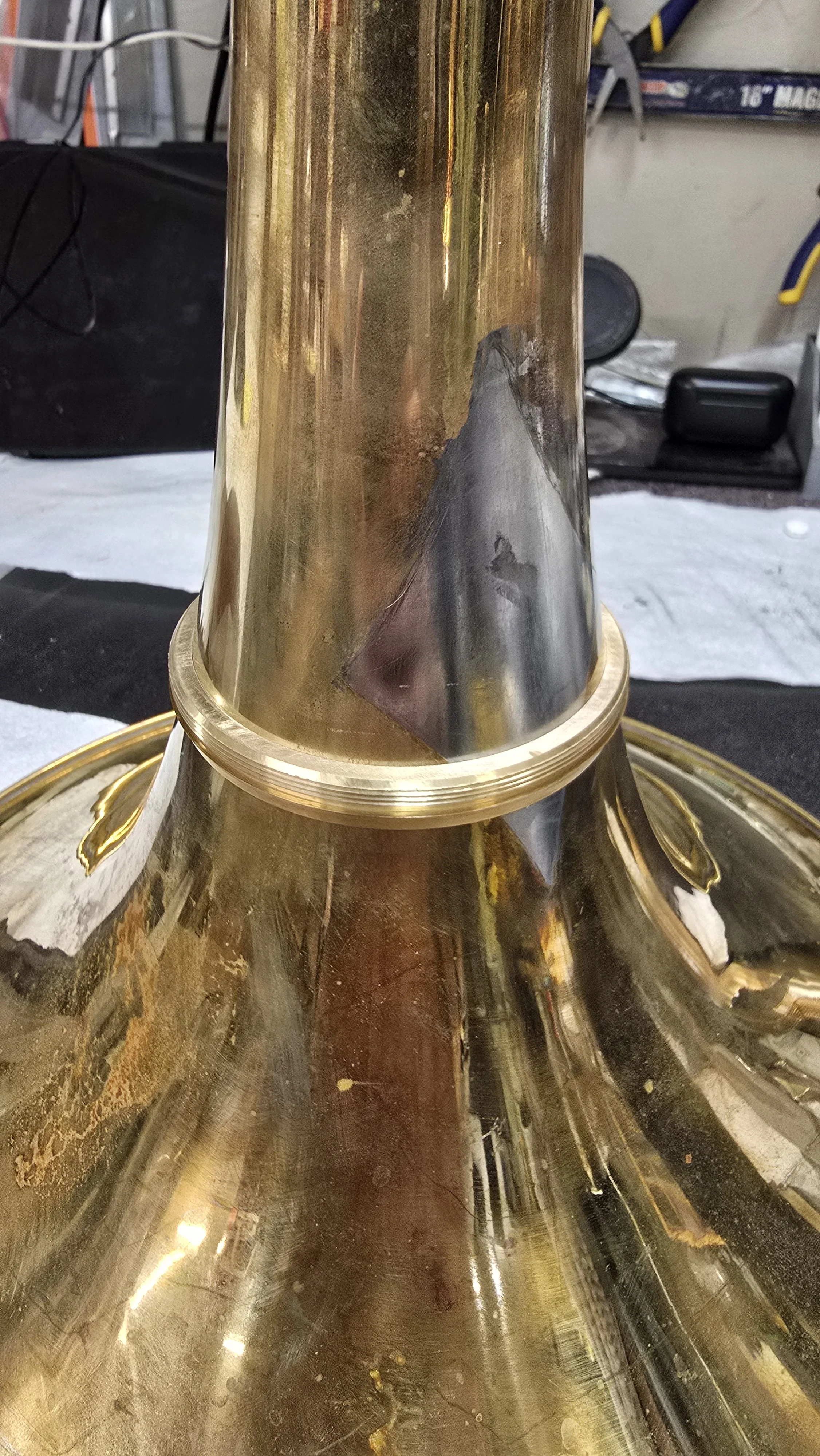
Fit & Inspection The bell ring is test fitted to the instrument, carefully identifying all contact points and verifying that the bell is round and free of damage before any work begins. A bell that isn't perfectly round will never seat properly in a ring, so this step is critical.
Precision Machining Every bell has its own unique taper. Using the lathe, the ring is precision machined to match the exact taper of your specific bell — ensuring a tight, consistent, airtight fit. This is not a one-size-fits-all process. Each conversion is custom fitted to the individual instrument.
Surface Preparation If the horn is lacquered, the lacquer is carefully removed from the areas the ring will cover and around the main bell brace to ensure a clean, properly prepared surface for soldering.
Cutting The male ring — the bottom half that sits on the bell flare side — is soldered to the bell first, then used as a precise guide for the razor saw cut. This ensures a perfectly straight, clean cut that follows the exact geometry of the ring. Both halves are then carefully cleaned up and prepared for final fitting.
Ring Soldering The rings are assembled together with oil applied between them to prevent them from accidentally soldering to each other during the next step. The female ring is tacked in place, the bell flare is removed, and the female ring is then fully soldered to the bell tail. Thorough solder cleanup and buffing follow to restore a clean, professional finish.
Reassembly & Stress Relief This is where the real craftsmanship comes in. The bell tail is wired back to the body with copper wire and all braces are carefully adjusted to ensure the horn goes back together completely free of tension. The main bell brace typically requires trimming to accommodate the bell ring, which passes through the area where the brace previously lived.
Once everything is aligned and stress-free, the bell tail is soldered back to the body along with the main bell brace. The mouthpipe is then resoldered into position — again verified to be completely free of tension before the joint is finalized. A horn that is assembled under tension is a horn that is fighting itself, and eliminating that tension is one of the reasons many players notice an improvement in playability after this conversion.
The result is a detachable bell instrument that fits a smaller case, travels more safely, and may very well play better than it did the day it came in.
For local drop-off customers I can typically complete the bell cut conversion the same day — drop your horn off in the morning and pick it up by the end of the day. No need to be without your instrument for days or weeks.
Ready to free your horn? Book your Bell Cut Conversion directly:
French Horn Bell Cut—Book Now
Tenor Trombone Bell Cut —Book Now
Bass Trombone Bell Cut —Book Now
Price includes a standard Alexander compatible ring for horn or Shires ring for trombone. Other rings are available upon request at an additional charge. Trombones with soldered bells will have an additional charge. Contact us for a custom quote — (817) 330-9572 or repair@reddickhornworks.com
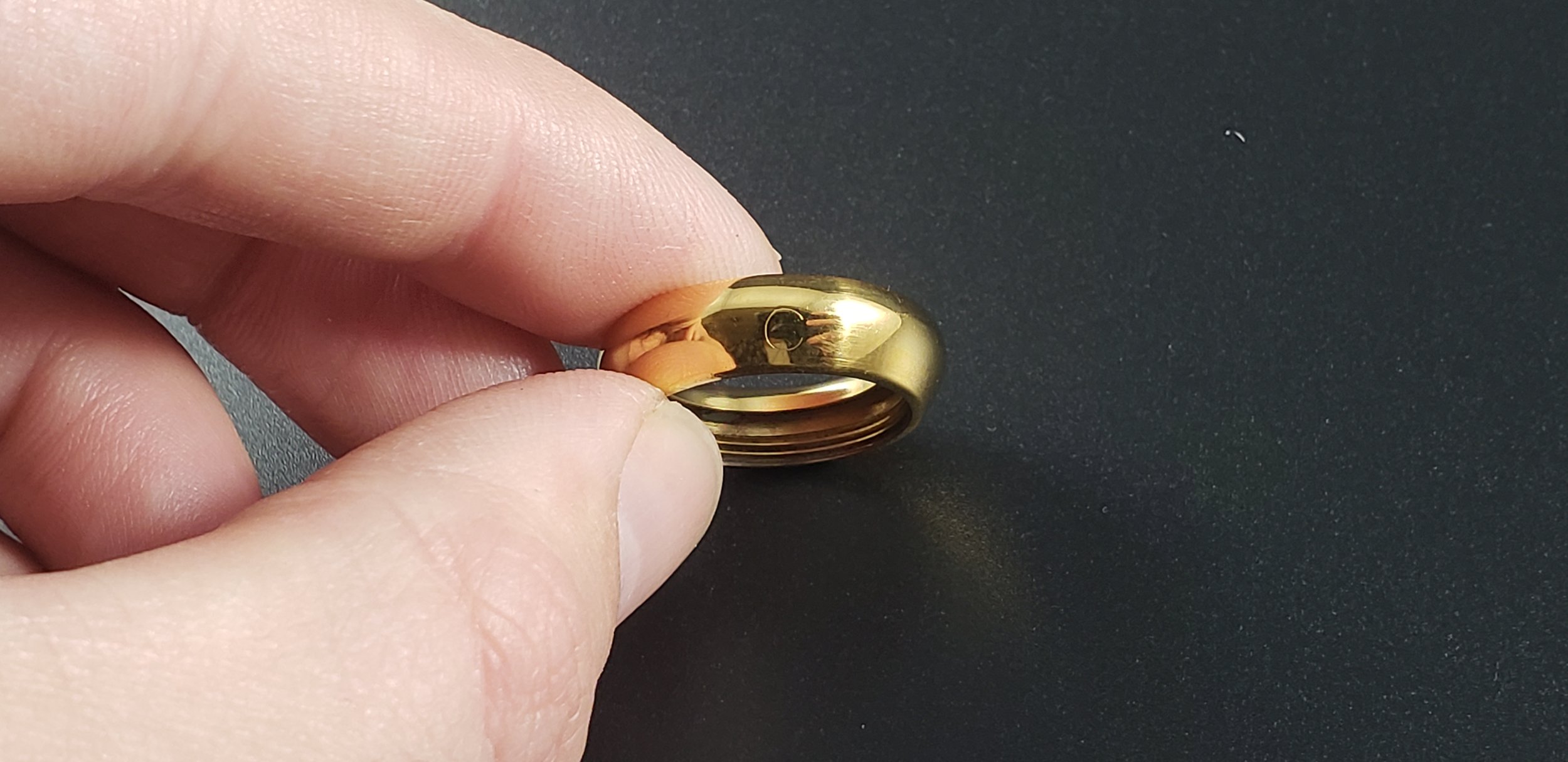
A gold plated mouthpiece rim and cup is more than a cosmetic upgrade — for many players it reduces allergic reactions to silver, provides a warmer feel against the lips, and offers a playing surface that is smoother and more consistent than worn or scratched silver plate.
What is included:
Polishing & Surface Preparation Every mouthpiece is carefully polished before plating to remove scratches and surface imperfections from the silver plate. The condition of the mouthpiece going in directly affects the quality of the finish coming out — a smooth surface produces a smooth plate. If polishing reveals scratches too deep to remove without breaking through the silver plate, the mouthpiece will be silver plated first to restore a proper base before gold plating is applied.
Plating Options For most players, I recommend gold plating the rim and cup only — the areas where your lips actually make contact. This is the most practical option and delivers all of the playing benefits of gold plate where it matters most. Full gold plating is also available for players who prefer the look of an all-gold mouthpiece.
Pricing Pricing varies based on the condition of the mouthpiece. A new or like-new mouthpiece requires less preparation work and is priced accordingly. A used mouthpiece with more wear, scratches, or surface damage requires additional polishing and preparation time and is priced higher. Contact us with a description or photos of your mouthpiece for an accurate quote.
Turnaround This service is available while you wait when scheduled in advance — bring your mouthpiece in and leave with it plated the same visit. For mail-in mouthpieces, I offer a one business day turnaround from the time your mouthpiece arrives, so it spends as little time away from you as possible. Return shipping speed is your choice.
Flute lip plates are also accepted for gold plating. Contact us to discuss your instrument.
Featured Products
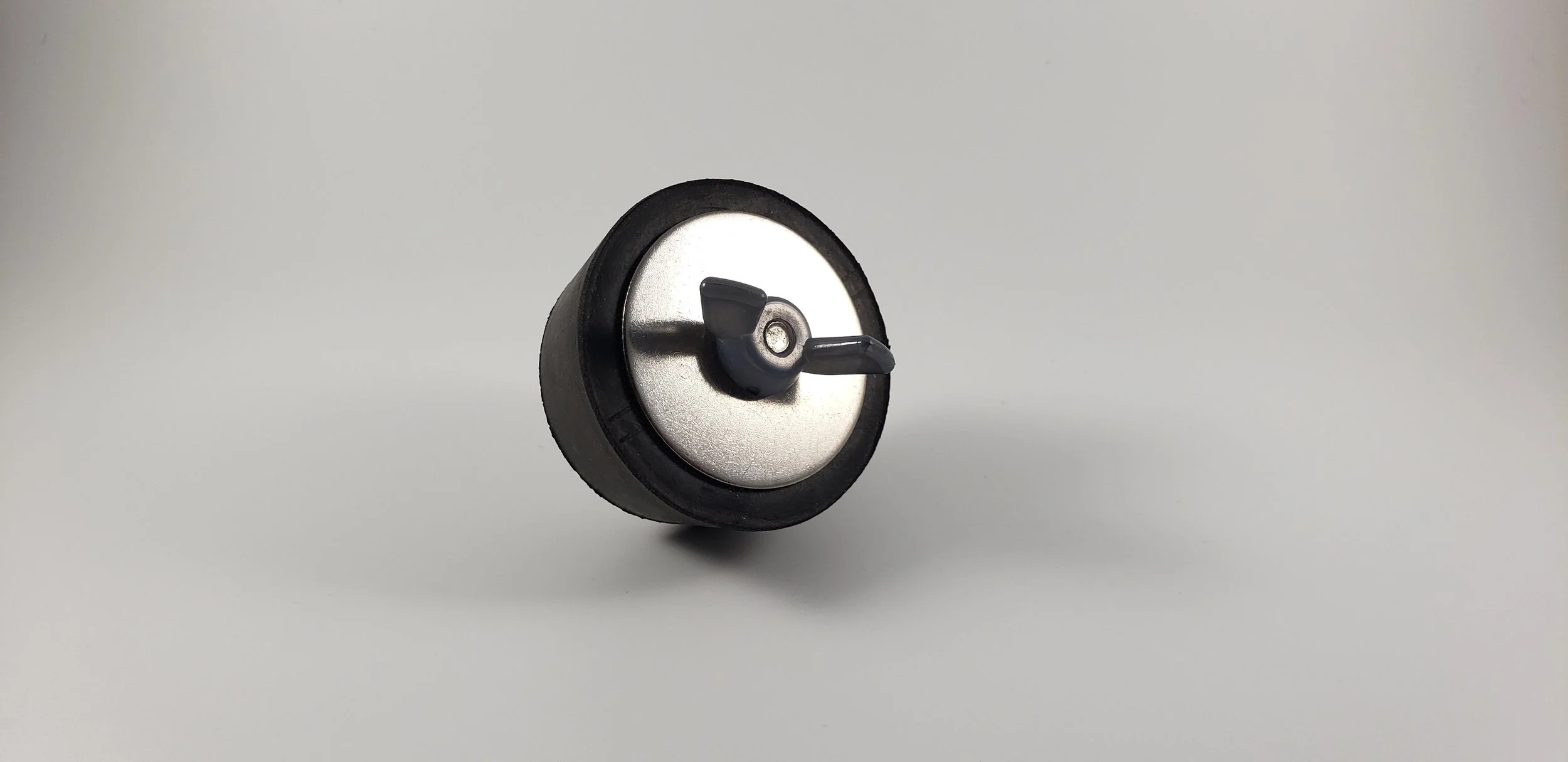
A simple and essential tool for any brass instrument repair technician. The Leak Check Bell Plug creates an airtight seal in the bell of the instrument allowing you to pressurize the entire horn and check for leaks throughout the body, slides, and braces — not just the valves.
Simply insert the plug into the bell, tighten the wing nut to expand the rubber seal, and pressurize the instrument. When finished loosen the wing nut and remove. No tools required.
Available for:
Trumpet
Tenor Trombone
Bass Trombone
French Horn
Used by professional repair technicians worldwide. Ships internationally.
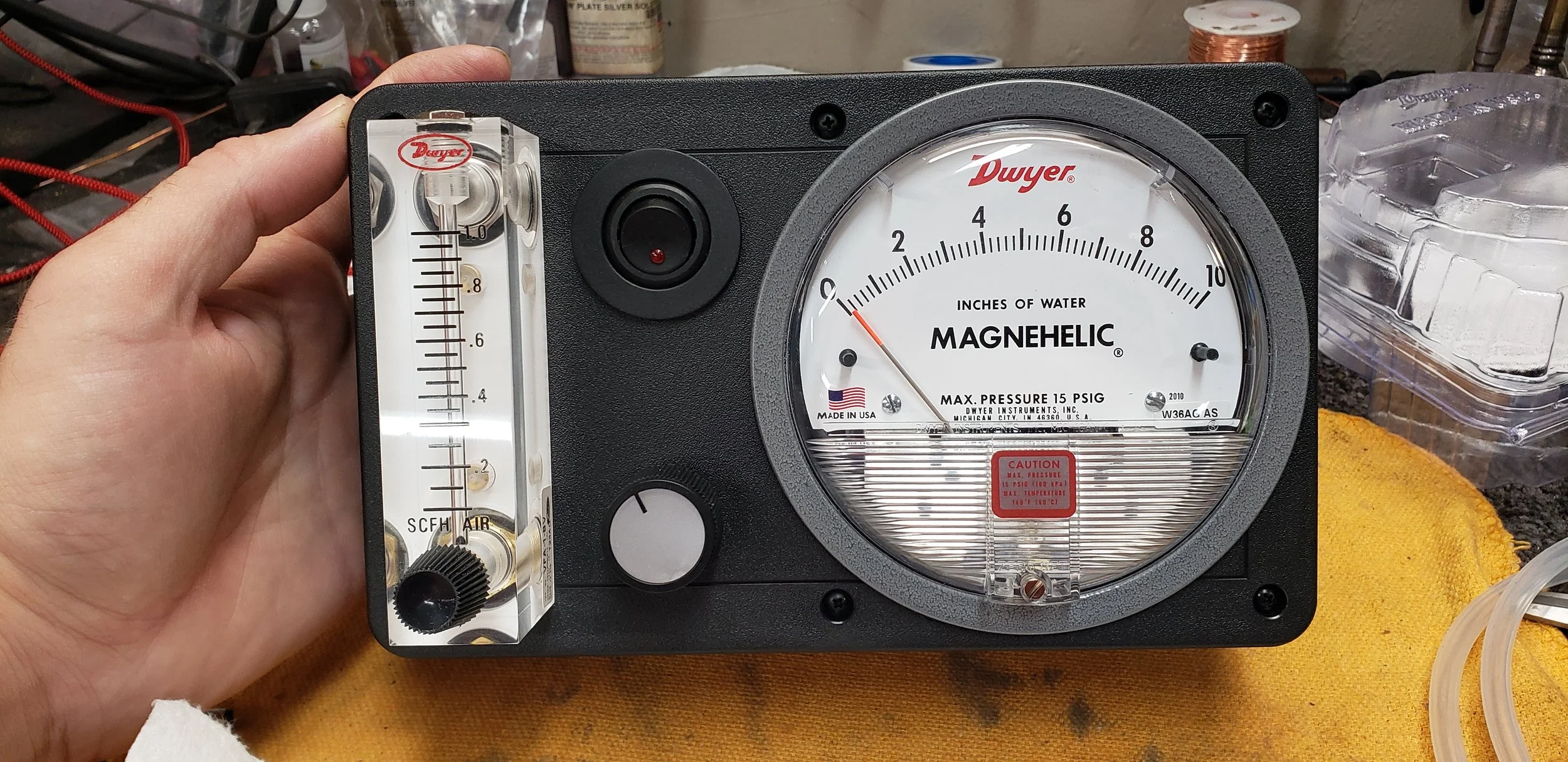
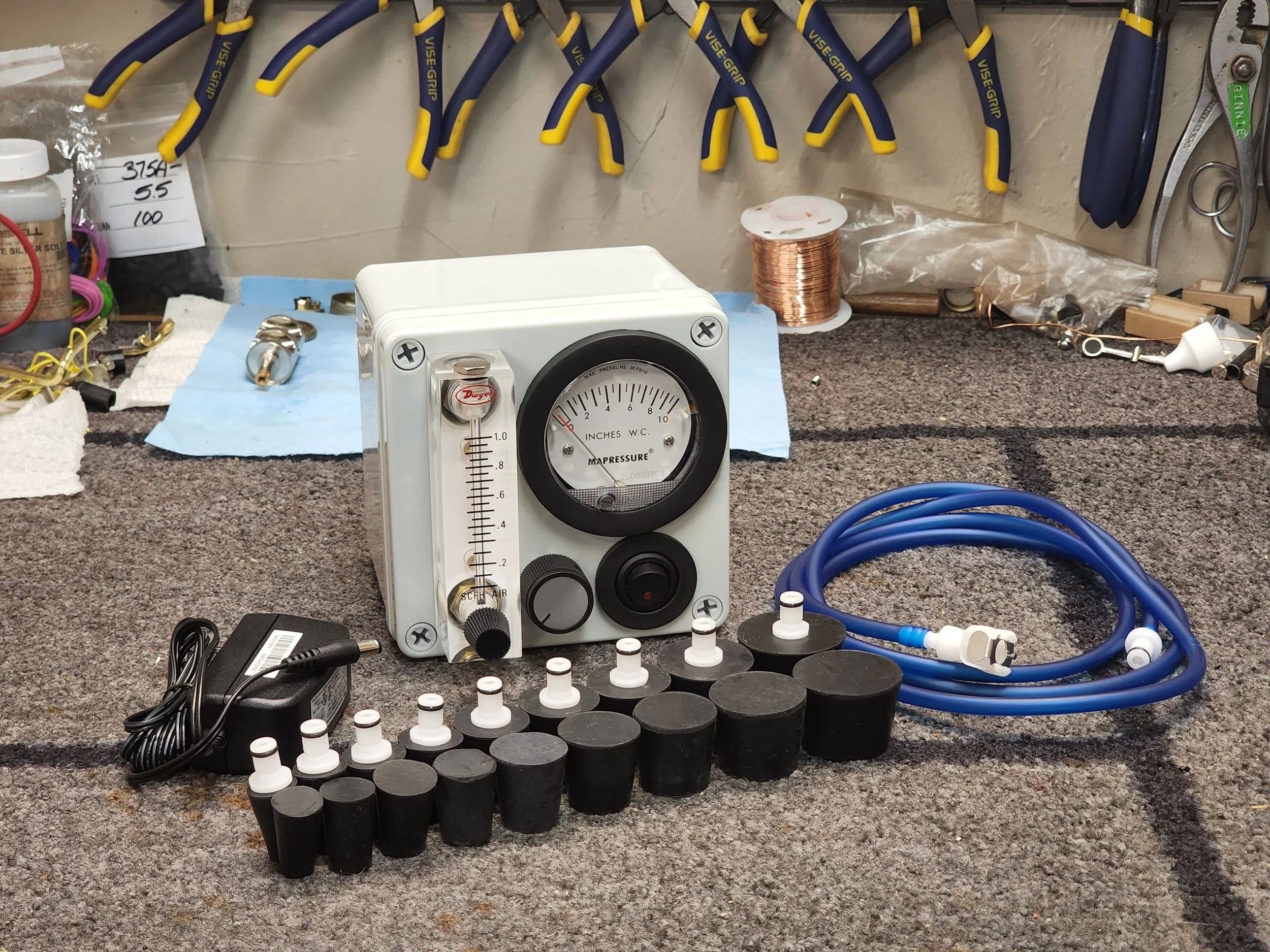
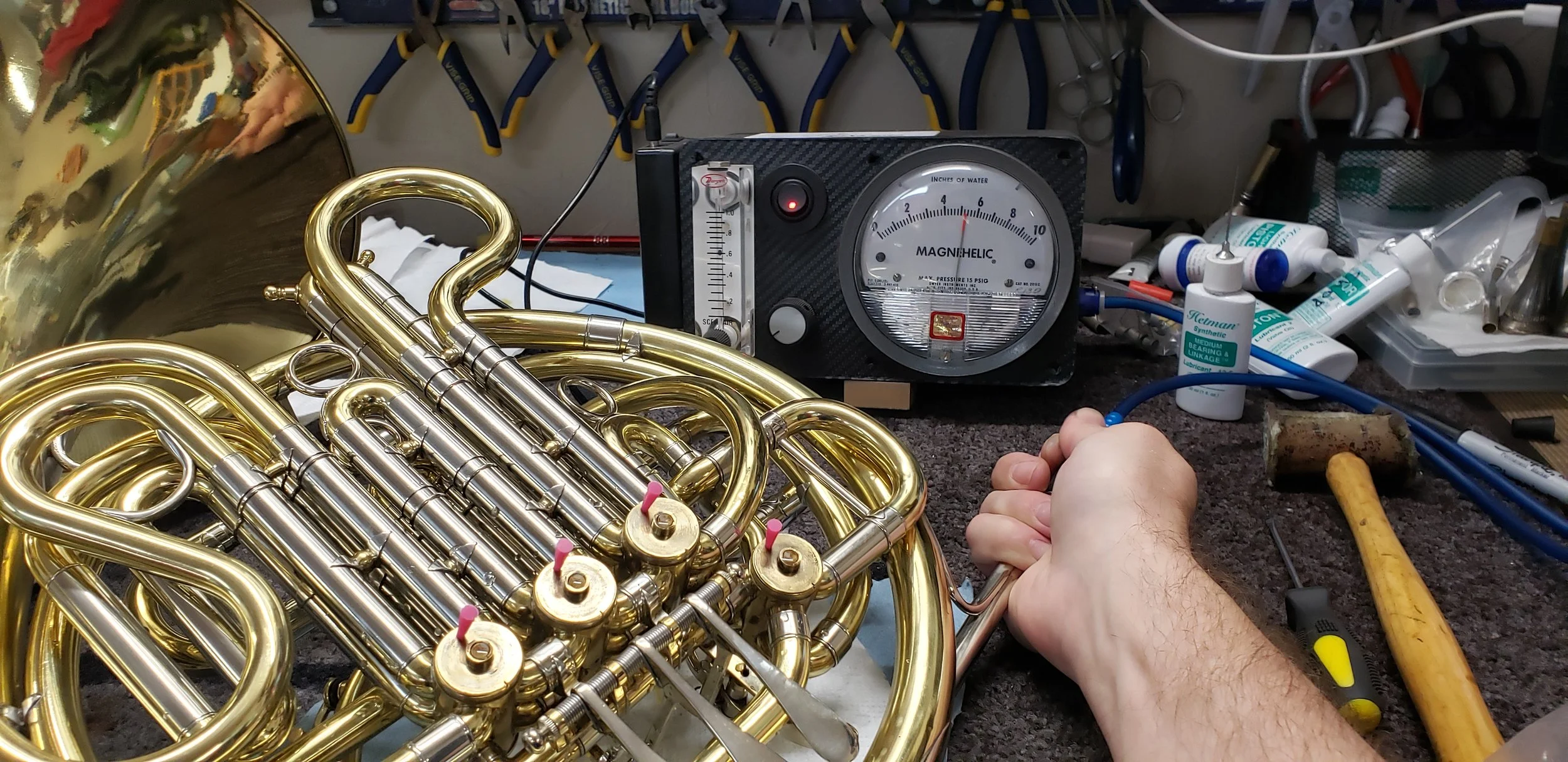
Trusted by professional repair technicians and institutions worldwide — including Conn-Selmer, one of the largest instrument manufacturers in the United States, which has purchased over 20 units for use in their own facilities.
The Reddick Hornworks Professional Leak Tester is a precision diagnostic tool designed for any wind instrument repair technicians who need accurate, repeatable compression readings on rotary and piston valves. Unlike simple pressure testers that only tell you whether a leak exists, this instrument gives you a real number — so you know exactly how much air bypass is occurring and can track valve wear over time.
Features:
Pressure Deferential Gauge The heart of the tester is a professional-grade Magnehelic gauge that provides precise, easy-to-read pressure measurements. The gauge reads on a scale of 0 to 10 and is calibrated to sit at 8 under normal operating pressure. When testing a valve, the needle drops toward 0 — the closer to 0 the reading, the tighter the valve. A reading of 0 indicates a completely airtight valve. Once a valve reads 4 or above, it is considered in need of a rebuild. A reading that remains near 8 indicates significant air bypass and a valve in serious need of attention.
Rugged ABS Plastic Case The tester is built into a durable ABS plastic case designed to handle the demands of a busy repair shop. Lightweight, tough, and easy to store or transport.
12V Air Pump The integrated 12V air pump delivers consistent, controlled airflow for reliable readings every time. The 12V design gives you the flexibility to power the unit from a standard outlet or a portable battery pack — ideal for technicians who work in multiple locations or need a portable solution.
Quick Connect Tube System The quick connect tube system allows fast, tool-free swapping of rubber plugs, making it easy to test instruments with different size ports and openings without interrupting your workflow.
Who is this for?
This tool is designed for professional repair technicians, school district instrument repair programs, repair facilities, and manufacturers that need a reliable, accurate, and repeatable way to assess valve condition and diagnose leaks. The quick connect rubber plug system makes it equally effective on brass and woodwind instruments, covering the full range of what most repair shops service on a daily basis. If you are serious about instrument repair, this is the diagnostic tool your shop needs.
Ships worldwide. Contact us at repair@reddickhornworks.com or (817) 330-9572 with any questions before ordering.
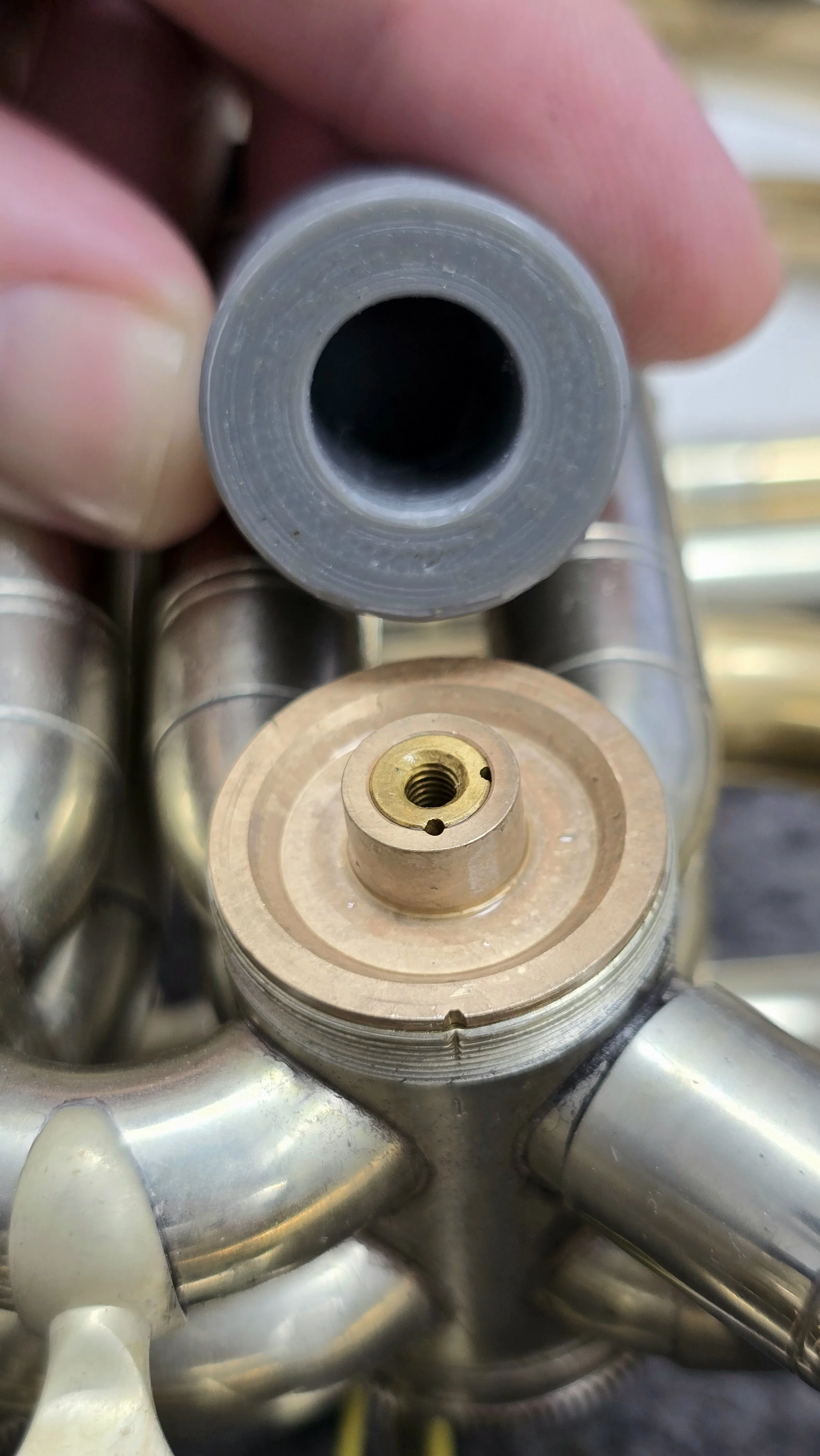
Lightweight 3D-printed ABS tool for cleanly and precisely seating rotary valve bearings — won't mar or damage the instrument if dropped, but durable enough for daily shop use. Used every day in our own repair process. Simple to use for basic maintenance, and a handy addition to any repair tech's toolkit.
Book Your Service
Schedule your drop off or in person repair and customization today. By appointment only!
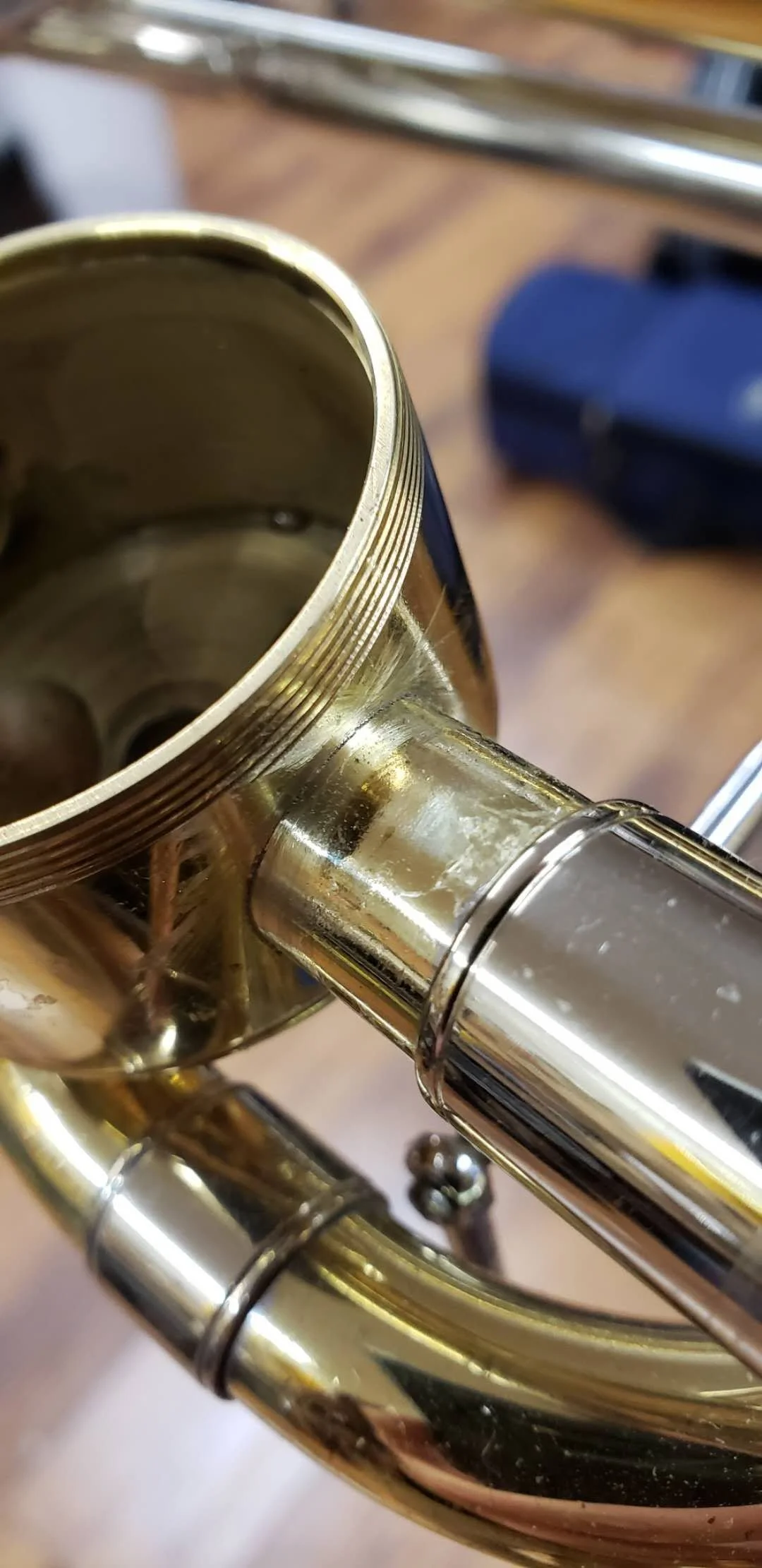
The Craft Behind the Sound
I've been repairing brass instruments since 1998, spending the bulk of my career at Houghton Horns developing the skills and instincts that only come from decades of hands-on work. My specialties include rotary valve rebuilds, Valve Shield™ nickel plating, bell conversions, and mouthpiece gold plating — but no job is too small or too large.
What sets me apart isn't just experience — it's perspective. As a lifelong horn player, I know what a well-functioning instrument feels and responds like — when something isn't right, I can feel it, not just measure it.
At Reddick Hornworks, I work with everyone from professional orchestral players to students just finding their footing, and I treat every instrument with the same care and attention. My goal is simple: get your horn playing as well as it possibly can, so you can focus on the music instead of fighting your equipment. The French horn is hard enough to play on its own — your instrument shouldn't be making it harder.
Contact Us
Every horn has a story, and every repair starts with a conversation. I proudly serve players locally in the Denton area and accept mail-in repairs from anywhere in the world. Get in touch and let's talk about what your instrument needs — I typically respond within one business day.
Not sure how to ship your horn safely? Just ask — I'm happy to walk you through it.